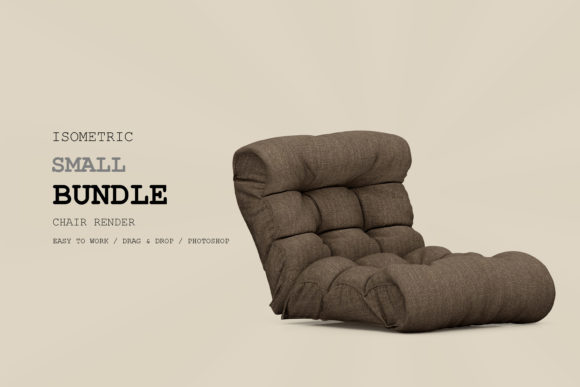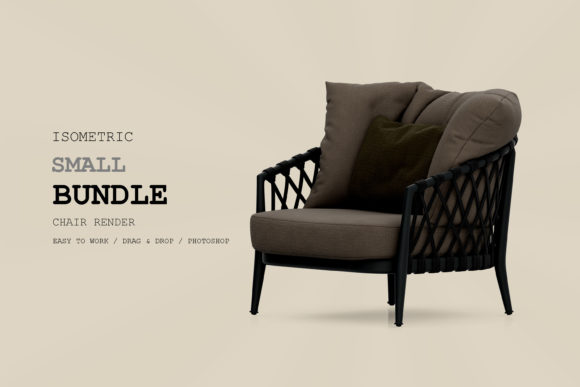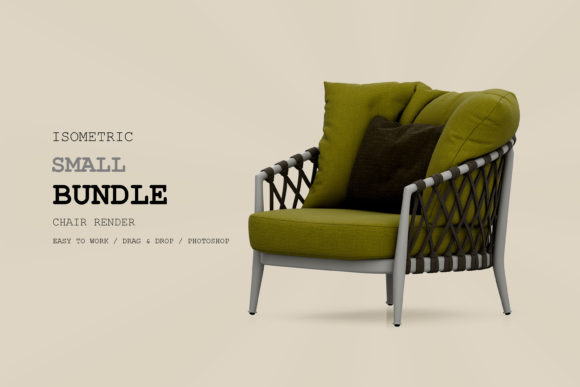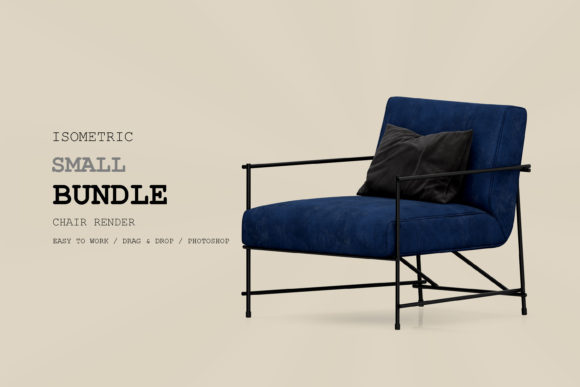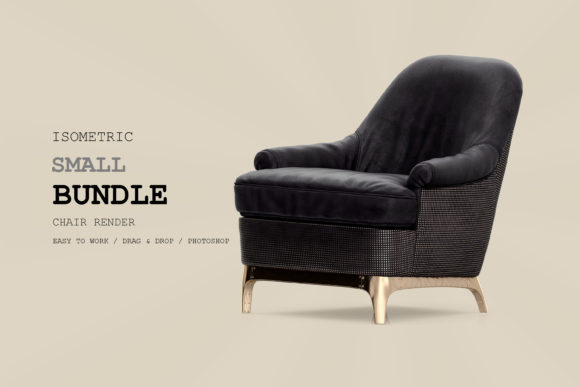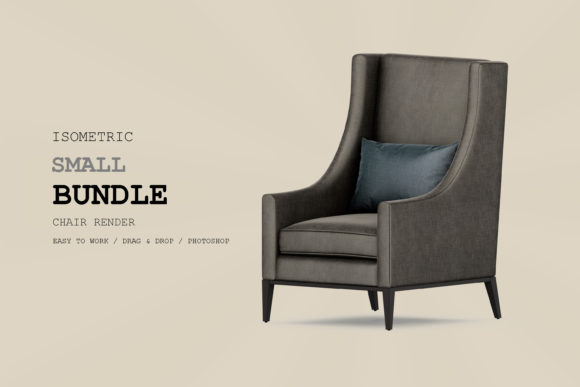
Isometric Armchair 3D Rendering Pack 169
In the rapidly evolving landscape of digital content creation, visual fidelity and technical precision are no longer just nice-to-haves; they are fundamental requirements for credibility. Whether you are designing a virtual showroom, creating educational materials, or building a high-converting e-commerce platform, the assets you choose to represent your ideas play a pivotal role in how those ideas are perceived. This is where specialized asset libraries become indispensable tools rather than mere collections of images. Among these resources, the Isometric Armchair 3D Rendering Pack 169 stands out as a versatile solution that bridges the gap between aesthetic appeal and functional utility.
This pack is not simply a static image file. It is a comprehensive, high-resolution collection designed with the modern creator’s workflow in mind. By offering separated backgrounds, organized layers, and precise shadow handling, it transforms from a decorative element into a modular component of larger designs. Understanding the specific attributes of this pack allows users across various disciplines to leverage its potential effectively, ensuring that their projects meet professional standards without unnecessary overhead.
Technical Specifications and Workflow Efficiency
At its core, the value of any digital asset lies in its usability. The Isometric Armchair 3D Rendering Pack 169 is engineered to integrate seamlessly into existing workflows. One of its most significant features is its resolution and print readiness. With a DPI of 300, the assets are crisp enough for high-quality print projects, including brochures, catalogs, and architectural presentations. This ensures that whether the final output is viewed on a smartphone screen or projected onto a large banner, the details remain sharp and convincing.
Furthermore, the inclusion of a help file and organized layers addresses one of the most common pain points in digital design: disorganization. For professionals who manage multiple project files, having clearly labeled and structured layers means less time spent untangling complex compositions and more time focused on creative execution. The separated background and isolated shadow effects allow designers to place the armchair into any environment—be it a minimalist living room, a busy café, or a sterile office space—without worrying about clipping errors or inconsistent lighting. This flexibility is crucial for maintaining visual coherence across different media formats.
Diverse Applications Across Industries
The versatility of this rendering pack makes it relevant to a wide array of audiences. Its utility extends far beyond simple decoration, serving distinct purposes for different professional groups.
Architecture and Interior Design
For architects and interior designers, visualization is key to client communication. The isometric perspective offers a unique advantage: it provides a clear, three-dimensional understanding of spatial relationships without the distortion of traditional perspective lines. When presenting a floor plan or a room layout, an isometric view helps clients grasp the scale and placement of furniture intuitively. Using the Isometric Armchair 3D Rendering Pack 169, designers can quickly populate their renders with realistic furniture pieces. The separated shadow feature allows them to adjust the lighting direction to match the rest of their scene, ensuring that the furniture looks like it naturally belongs in the space rather than being pasted on top.
E-Commerce and Advertising
In the digital retail sector, product presentation directly influences conversion rates. Advertisers and marketing teams often need to showcase products in lifestyle contexts to help consumers visualize ownership. However, photographing every possible scenario is cost-prohibitive. Digital compositing offers a scalable alternative. By using high-resolution assets like those in Pack 169, marketers can create diverse advertisement creatives for social networks, websites, and email campaigns. The ability to isolate the chair from its original background means it can be placed in a variety of settings—modern apartments, cozy reading nooks, or corporate lounges—tailoring the message to different target demographics without the need for expensive photoshoots.
Education and Academic Projects
Educators and students frequently struggle to find high-quality, royalty-free visuals that are both accurate and adaptable. In school projects related to design, engineering, or even sociology (studying living spaces), the quality of visual aids impacts the overall presentation. The Isometric Armchair 3D Rendering Pack 169 provides a reliable resource for these users. The organized layers allow students to experiment with composition and color theory, learning how different elements interact in a 3D space. For educators, it serves as a teaching tool to demonstrate principles of isometric projection and digital asset management.
Evaluating Fit for Different Skill Levels
Not all users approach digital assets with the same level of expertise or objective. It is important to consider how different skill levels might evaluate the usefulness of this pack.
- Beginners and Hobbyists: For those new to graphic design or 3D modeling, complexity can be a barrier. The pre-separated layers and included help file reduce the technical friction. Users do not need to master advanced masking techniques to remove backgrounds; the work is largely done for them. This allows beginners to focus on learning composition and storytelling rather than getting bogged down in technical hurdles.
- Experienced Professionals: For seasoned designers, speed and precision are paramount. The high resolution and clean layer structure mean less cleanup time. Professionals can trust that the asset will hold up under scrutiny in high-stakes presentations. The isometric style also aligns with current trends in tech and SaaS illustration, making it a strategic choice for B2B marketing materials.
- Freelancers and Small Business Owners: These users often wear multiple hats and need resources that offer maximum impact with minimal investment. Instead of hiring a 3D artist to model a custom chair, they can utilize this pack to achieve a polished look. The commercial viability of such assets allows small businesses to maintain a professional brand identity across blogs, websites, and printed materials without breaking the bank.
Strategic Considerations for Implementation
When deciding whether to incorporate the Isometric Armchair 3D Rendering Pack 169 into your workflow, consider the long-term usefulness of the asset. Digital trends shift, but foundational design principles remain constant. Isometric illustrations have enjoyed sustained popularity due to their clarity and modern aesthetic. Investing in a well-organized pack ensures that you have a library of assets that can be reused across multiple campaigns or projects over time.
Additionally, the separation of shadows and backgrounds enhances the adaptability of the asset. In dynamic web design, where user interactions may require changing states or animations, having discrete elements allows for greater interactivity. A designer could potentially animate the chair’s position or lighting based on user input, creating a more engaging experience than a static image would allow.
Ultimately, the decision to use this pack should be driven by the specific needs of your project. If you require a quick, high-quality visual aid for a blog post or a social media campaign, the ease of access provided by the separated layers is a significant benefit. If you are working on a detailed architectural proposal, the DPI 300 resolution and realistic shading ensure that your work meets professional standards. By recognizing the diverse ways this asset can be utilized, creators can make informed decisions that enhance both the efficiency of their workflow and the quality of their final output.