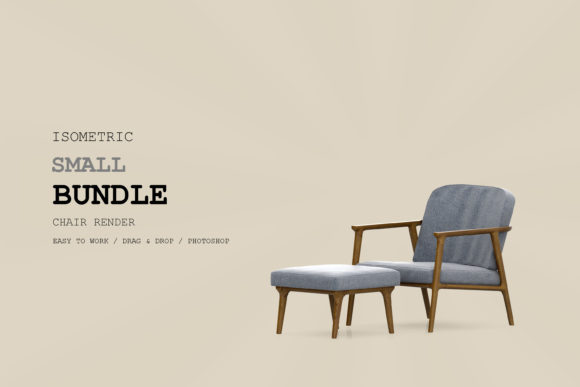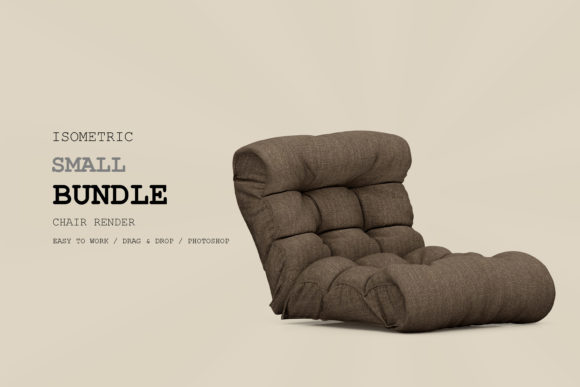
Evaluating Isometric Armchair 3D Rendering Pack 185 for Professional Design and Creative Projects
In the rapidly evolving landscape of digital design, architecture visualization, and interior marketing, the demand for high-quality, versatile assets has never been higher. Designers are no longer limited to standard orthographic views; there is a growing preference for isometric projections that offer depth, clarity, and a modern aesthetic appeal. Within this niche, Isometric Armchair 3D Rendering Pack 185 has emerged as a significant resource for professionals seeking precision and flexibility. This article provides a comprehensive evaluation of this asset pack, analyzing its technical specifications, potential applications, and how it compares to other methods of visualizing furniture in digital spaces.
Understanding the Core Components of Pack 185
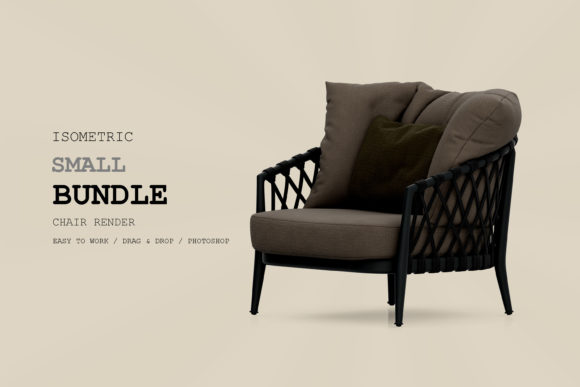
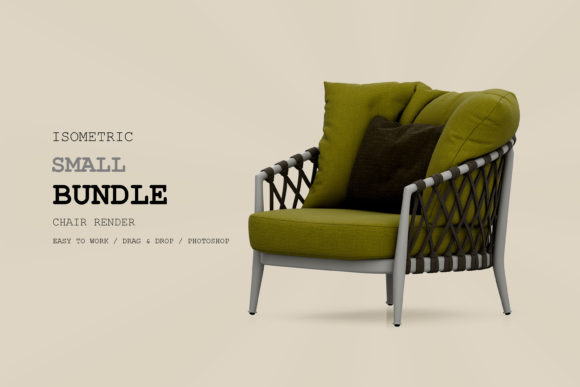
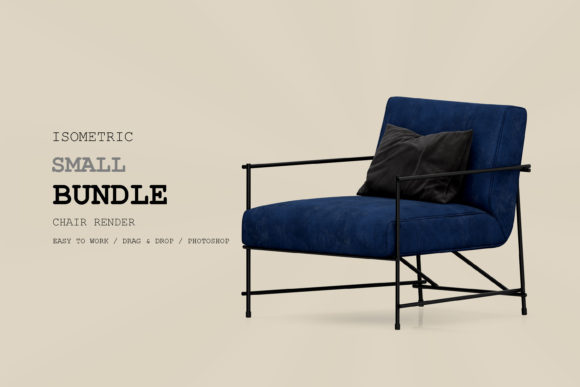
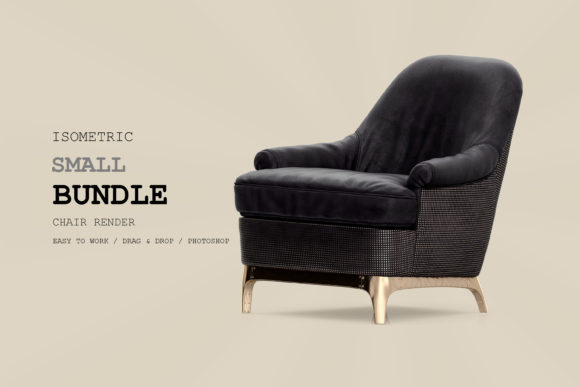
To understand why this specific rendering pack stands out, one must first look at its technical foundation. Unlike generic clip art or low-resolution images, Isometric Armchair 3D Rendering Pack 185 is built on principles of professional-grade digital asset creation. The pack is characterized by several key attributes that cater specifically to the needs of serious designers and developers.
- High Resolution and DPI 300: One of the most critical factors in any design asset is resolution. A DPI (dots per inch) of 300 is the industry standard for print media. This ensures that when an armchair from this pack is used in brochures, posters, or architectural presentations, the image remains crisp and free of pixelation. For screen-based projects, such as websites or social media campaigns, the high resolution allows for scaling without quality loss, ensuring the furniture looks premium regardless of the display size.
- Organized Layers: In complex design workflows, the ability to edit individual components of an image is invaluable. This pack features organized layers, allowing designers to isolate the armchair from its background, adjust lighting effects, change colors, or modify specific parts of the chair without starting from scratch. This level of control significantly reduces production time and enhances creative flexibility.
- Separated Background and Shadow: The inclusion of a separated background eliminates the tedious process of manual masking, a task that can be time-consuming and prone to error. Furthermore, the separated shadow component is particularly noteworthy. Shadows provide grounding and realism in isometric designs. By having the shadow as a distinct layer, designers can adjust its opacity, blur, and position to match the lighting conditions of their specific project environment, whether it is a bright, airy living room or a moody, atmospheric lounge.
- Help File Integration: Accessibility is often overlooked in digital asset packs, but Isometric Armchair 3D Rendering Pack 185 includes a help file. This documentation serves as a practical guide for users, explaining how to navigate the layers, import the files into various software platforms, and best practices for integration. This support system is beneficial for both novice users who may need guidance and experienced professionals looking for quick reference points.
Comparing Isometric Assets to Traditional Rendering Methods
When evaluating Isometric Armchair 3D Rendering Pack 185, it is helpful to compare it against alternative approaches to visualizing furniture. The primary alternatives include full 3D modeling, flat vector illustrations, and standard photographic cutouts.
Full 3D Modeling vs. Pre-Rendered Packs: Creating a custom 3D model of an armchair from scratch offers unlimited customization but requires significant time, specialized software skills (such as Blender, 3ds Max, or Maya), and powerful hardware. For many projects, especially those with tight deadlines, building a model is inefficient. Isometric Armchair 3D Rendering Pack 185 offers a middle ground: it provides the visual complexity and perspective of a 3D render without the steep learning curve or time investment. It is ideal for projects where the focus is on layout and composition rather than the unique geometry of a single piece of furniture.
Flat Vector Illustrations: Flat design is popular for web interfaces and infographics due to its clean, minimalist aesthetic. However, flat vectors lack the depth and textural richness that photorealistic or semi-realistic renders provide. If a project requires conveying the comfort, material texture, or volumetric presence of an armchair, a flat vector may fall short. The isometric style of Pack 185 strikes a balance, offering enough detail to feel tangible while maintaining a stylized, graphic quality that fits well in modern UI/UX design.
Standard Photographic Cutouts: Using photos of real chairs involves challenges such as inconsistent lighting, varying angles, and difficulty in matching shadows across different scenes. Because every photo is taken under different conditions, combining multiple chairs in a single isometric scene can result in visual dissonance. Since Isometric Armchair 3D Rendering Pack 185 consists of rendered assets created within a controlled digital environment, all items share consistent lighting, scale, and stylistic coherence. This makes it much easier to create cohesive collages or room layouts using multiple pieces from the same collection.
Strategic Use Cases and Applications
The versatility of Isometric Armchair 3D Rendering Pack 185 allows it to be applied across a wide spectrum of industries. Understanding these use cases helps determine if this pack aligns with your current project requirements.
Architecture and Interior Design
Architects and interior designers frequently use isometric views to present space planning concepts to clients. These views allow stakeholders to understand spatial relationships more intuitively than floor plans alone. Using high-resolution assets like those in Pack 185, designers can populate these isometric rooms with realistic furniture, helping clients visualize how an armchair will fit in a proposed living area. The separated shadow feature is particularly useful here, allowing the designer to adjust the chair’s placement relative to windows or light sources to ensure the rendering feels authentic.
Digital Marketing and Social Media
In the realm of social media advertising, visual engagement is paramount. Brands selling furniture or home decor products need eye-catching content that stands out in crowded feeds. Isometric illustrations have become a trend in e-commerce because they convey product information clearly and aesthetically. With DPI 300 resolution and organized layers, marketers can quickly adapt these images for Instagram posts, Facebook ads, or Pinterest pins. They can easily swap out backgrounds to match brand colors or overlay text for promotional messages without compromising image quality.
Academic and Educational Projects
For students in design, architecture, or graphic arts programs, Isometric Armchair 3D Rendering Pack 185 serves as an excellent educational tool. School projects often require students to demonstrate proficiency in layout, color theory, and spatial awareness. Having access to pre-made, high-quality assets allows students to focus on composition and design principles rather than struggling with the technicalities of 3D modeling. The included help file further supports the learning process, making it easier for educators to integrate these resources into their curriculum.
Web Design and Blogging
Content creators and web developers often need custom graphics to break up text and enhance readability. Isometric furniture icons or illustrations add a touch of professionalism and visual interest to blog posts about home renovation, interior trends, or lifestyle topics. The separated background ensures that these graphics blend seamlessly into various website themes, while the high resolution guarantees they look sharp on retina displays and high-DPI monitors.
Weighing the Tradeoffs and Limitations
While Isometric Armchair 3D Rendering Pack 185 offers numerous advantages, it is important to consider its limitations to make an informed decision. The primary tradeoff lies in customization. While the organized layers allow for some modification, you cannot alter the fundamental shape or structure of the armchair. If a project requires a highly specific, unconventional furniture design that does not exist in the pack, this resource will not suffice. In such cases, custom 3D modeling remains the only viable option.
Additionally, the reliance on a pre-rendered aesthetic means that the style is fixed. If a brand’s visual identity requires a completely different artistic direction—such as a hand-drawn sketch style or a hyper-realistic photographic approach—this isometric pack may not align with their overall aesthetic goals. Designers must evaluate whether the clean, geometric look of isometric renders complements their broader design language.
Another consideration is the file format compatibility. While most professional design software supports layered files (such as PSD or AI), users working with simpler tools might find the organized layers less accessible. However, the inclusion of a help file mitigates this by providing guidance on how to extract usable elements even from less compatible environments.
Decision Factors: When to Choose Pack 185
Choosing the right asset depends on balancing efficiency, quality, and flexibility. Isometric Armchair 3D Rendering Pack 185 is the right choice when:
- Time is a constraint: You need high-quality visuals quickly and do not have the resources for custom 3D modeling.
- Consistency is key: You are creating a series of images or a large layout where uniform lighting and style are crucial.
- Print quality is required: Your project involves physical materials that demand 300 DPI resolution.
- Editability is needed: You anticipate needing to tweak shadows, backgrounds, or colors to fit different contexts.
Conversely, you might look for alternatives if:
- You require extreme structural customization of the furniture itself.
- Your project demands a non-isometric artistic style.
- You are working on a budget that does not allow for premium asset purchases, though the time saved often justifies the investment.
Conclusion
Isometric Armchair 3D Rendering Pack 185 represents a robust solution for professionals and students alike who value precision, versatility, and high-quality output. Its combination of separated layers, accurate shadows, and print-ready resolution addresses many common pain points in digital design. By understanding its strengths and limitations, designers can effectively incorporate these assets into school projects, architectural presentations, marketing campaigns, and web content. As the demand for clear, engaging visual communication continues to grow, having access to reliable, well-structured resources like this pack becomes an essential part of a modern designer’s toolkit.