The Evolution of Visual Identity: Leveraging Abstract 3d Rendering of Twisted Lines for Modern Brand Narratives
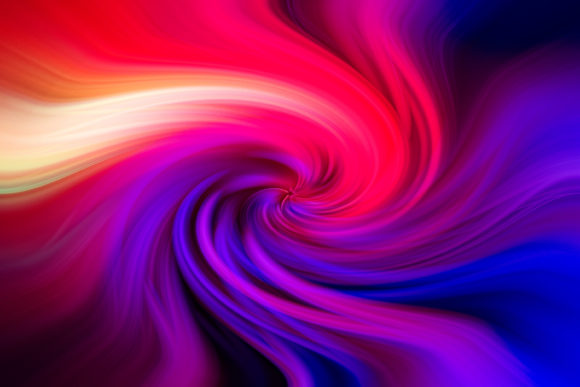
In the rapidly shifting landscape of digital design and visual communication, the demand for imagery that is both technically sophisticated and aesthetically arresting has never been higher. As screens become the primary canvas for human interaction, static images are no longer sufficient to capture attention. Instead, brands and creators are turning toward dynamic, complex, and immersive visuals. At the forefront of this movement is the Abstract 3d Rendering of Twisted Lines, a style that merges mathematical precision with organic fluidity. This specific aesthetic is not merely a trend; it represents a fundamental shift in how we perceive depth, motion, and light in two-dimensional spaces.
For professionals, entrepreneurs, and marketers, understanding the utility of such assets is crucial. It is no longer just about having a logo or a banner; it is about creating an environment that speaks to the viewer’s subconscious. The integration of Abstract Twisted Light Fibers and Anime Effects Background Overlay Blend techniques allows designers to craft backgrounds that feel alive, breathing with energy while maintaining a professional polish. This article explores why these specific rendering styles are becoming essential tools in the modern creative workflow and how they align with broader technological and consumer trends.
Deconstructing the Aesthetic: From Geometry to Emotion
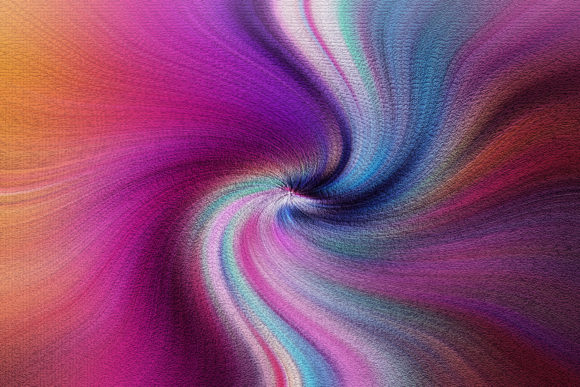
To understand the value of Abstract 3d Rendering of Twisted Lines, one must first look at what constitutes the image itself. Unlike traditional photography, which captures reality, or flat vector art, which simplifies it, 3D rendering creates a simulated reality. When lines are twisted, they cease to be simple geometric boundaries and become representations of movement, tension, and flow. These forms mimic natural phenomena—vines growing, smoke rising, or data streams flowing—creating a bridge between the cold precision of technology and the warm unpredictability of nature.
This is where the concept of Modern Fractal Floral Leaf Design Fantasy Majestic Background comes into play. By blending fractal mathematics with organic floral motifs, designers can create patterns that are infinitely detailed yet harmoniously balanced. The "twisted" aspect adds a layer of complexity that draws the eye inward, encouraging prolonged engagement. For a website hero section or a presentation slide, this type of background does not compete with foreground content; rather, it supports it by providing a rich, textured context that feels premium and thoughtfully constructed.
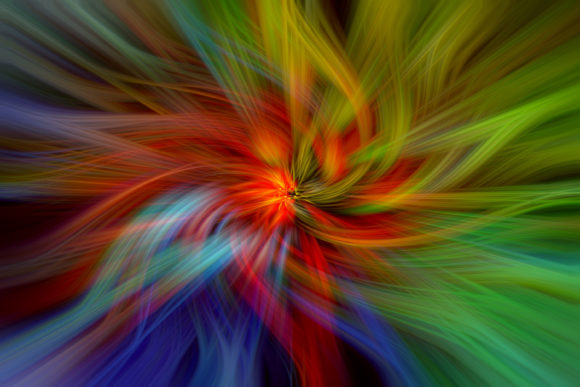
The inclusion of Illuminated Light Painting effects further elevates the composition. Light painting in a digital context refers to the simulation of long-exposure photography techniques, where trails of light are captured as continuous strokes. In a 3D render, this translates to glowing, translucent fibers that seem to emit their own energy. This illumination serves a functional purpose as well: it guides the viewer’s eye across the composition, highlighting key areas without the need for heavy-handed graphical overlays.
Technical Precision Meets Creative Freedom
One of the most significant barriers to entry for high-quality 3D visualization has historically been the steep learning curve associated with software like Blender or Cinema 4D. However, the rise of pre-rendered, highly customizable assets has democratized access to these advanced aesthetics. The specific asset described here—a High Resolution 300 DPI file in RGB Color Mode with dimensions of 3000×2000 Pixels—is designed to bridge the gap between amateur capability and professional output.
Why do these technical specifications matter? For print professionals, the 300 DPI resolution ensures that the intricate details of the twisted lines and light fibers remain crisp even when scaled up for large-format printing, such as trade show banners or corporate brochures. For digital marketers, the RGB color mode guarantees accurate color reproduction on screens, ensuring that the vibrant hues of the Anime Effects Background Overlay Blend appear exactly as intended across various devices.
Furthermore, the emphasis on being Easily customization and having a Well Organized Layer structure is critical for modern workflows. Designers rarely use assets "as is." They adapt them to fit brand guidelines, adjust color palettes to match seasonal campaigns, or overlay text and logos. A file that is professionally organized allows for non-destructive editing. This means a freelancer can tweak the opacity of a light fiber layer or distort a twisted line group without compromising the integrity of the entire image. This efficiency is vital for agencies operating under tight deadlines, where speed and quality must coexist.
Aligning with Current Market and Consumer Trends
The popularity of Abstract 3d Rendering of Twisted Lines is not accidental; it reflects a broader cultural shift towards "digital surrealism." Consumers are increasingly saturated with realistic stock photography, leading to ad blindness. They crave novelty, abstraction, and visual surprise. This aesthetic provides that surprise through its unexpected geometry and luminous qualities. It signals innovation and forward-thinking, traits that are highly desirable for tech startups, creative agencies, and lifestyle brands.
Moreover, the trend towards immersive experiences, driven by advancements in VR (Virtual Reality) and AR (Augmented Reality), has influenced how people consume 2D media. Even on flat screens, users expect a sense of depth and interactivity. The layered nature of these renders, combining Twisted Light Fibers with Fractal Floral elements, creates a parallax effect that can be enhanced with subtle CSS animations or scroll-triggered effects. This makes the background feel responsive and alive, enhancing the user experience (UX) and increasing time-on-page metrics.
From a business perspective, the ability to quickly customize these assets allows companies to maintain a consistent visual identity while adapting to market changes. For instance, a financial institution might choose cooler tones and tighter twists to convey stability and security, while a gaming company might opt for brighter colors and more chaotic light paths to suggest excitement and action. The Professional and clean files ensure that these variations can be produced rapidly, allowing for agile marketing strategies that respond to real-time data and consumer feedback.
Practical Applications for Creators and Entrepreneurs
The versatility of this abstract 3D rendering extends across multiple disciplines. Here are several practical applications where these assets deliver maximum impact:
- Digital Advertising: Use the Illuminated Light Painting effects as a backdrop for product launches. The glowing lines can frame a product, drawing immediate attention to the center of the composition without distracting from the item itself.
- Corporate Presentations: Replace generic gradient slides with Abstract Twisted Light Fibers. This elevates the perceived value of the presentation, suggesting that the company invests in high-quality visual communication.
- Social Media Content: The Anime Effects Background Overlay Blend is particularly effective for social media graphics, where bold, eye-catching visuals stop the scroll. The high contrast and vibrant colors perform well on platforms like Instagram and LinkedIn.
- Web Design: Implement the Modern Fractal Floral Leaf Design as a full-width hero image. Its majestic scale and intricate detail provide a memorable first impression, setting the tone for the rest of the site.
Compatibility and Future-Proofing Your Assets
A common concern for designers is software compatibility. Will these assets work with the tools I use today, and will they continue to work in the future? The specification that this file is a Competitor with Adobe Photoshop update versions is reassuring. It indicates that the file format is standard, robust, and compatible with the latest iterations of industry-leading software. This ensures that your investment in these assets is protected against rapid software obsolescence.
Additionally, the availability of both JPG File and layered formats offers flexibility. For quick drafts or final exports where file size is a concern, the JPG version provides a lightweight solution. For detailed work, the layered PSD (or equivalent) allows for granular control. This dual-format approach caters to different stages of the creative process, from initial concepting to final delivery.
Conclusion: Embracing the Abstract Future
The world of visual design is moving away from literal representation towards emotional resonance. Abstract 3d Rendering of Twisted Lines exemplifies this shift, offering a toolset that is both technologically advanced and deeply expressive. By combining the structural beauty of twisted lines with the ethereal quality of light fibers and the organic complexity of fractal flora, designers can create backgrounds that are not just decorative but communicative.
For professionals and enthusiasts alike, adopting these assets is not just about keeping up with trends; it is about expanding the vocabulary of visual storytelling. The ease of customization, high resolution, and professional organization make these files accessible to anyone willing to experiment. As we move further into a digital-first economy, the ability to craft compelling, abstract, and illuminated visuals will remain a key differentiator for brands and creators seeking to stand out in a crowded marketplace.
Whether you are redesigning your corporate website, preparing a pitch deck for investors, or crafting a social media campaign, integrating these abstract 3D elements can elevate your work from ordinary to extraordinary. The future of design is twisted, luminous, and endlessly customizable—and now, it is within your reach.