Mastering the Aesthetic: How Vector Green Paper Cut Backgrounds Transform Digital Design
In the ever-evolving landscape of digital graphic design, trends often cycle between hyper-realism and minimalist flatness. However, there is a niche that has carved out a permanent space for itself by bridging the gap between tactile tradition and modern technology: paper cut design. Specifically, designs featuring a vector green paper cut background offer a unique visual language that combines organic textures with precise digital engineering. Whether you are a brand manager looking to refresh your corporate identity or a creative director seeking inspiration for a cover layout, understanding the nuances of this style is essential.
This article explores the intricate world of abstract realistic paper decorations, focusing on how textured cardboard wavy pink layers and 3D relief effects can elevate your projects. We will delve into why these vector illustrations are not just decorative elements but powerful tools for communication, and how their technical specifications—such as high resolution and organized layers—make them indispensable in professional workflows.
The Intersection of Tradition and Technology
At its core, paper cutting is an ancient art form found in cultures worldwide, from Chinese jianzhi to German Scherenschnitte. It relies on negative space and layering to create depth. In the digital realm, translating this physical craft requires a sophisticated approach. This is where vector illustration becomes crucial. Unlike raster images (like JPEGs or PNGs) which lose quality when scaled, vector graphics use mathematical equations to define shapes. This allows designers to manipulate the "cut" lines with infinite precision.
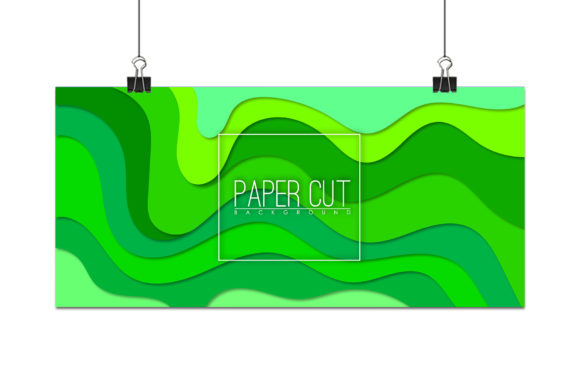
When we speak of a vector green paper cut background, we are referring to a design that mimics the look of layered cardstock but retains the scalability of vectors. The color green is particularly significant in modern design psychology. It represents growth, harmony, freshness, and stability. By using a green palette as the foundational layer, designers can evoke feelings of nature and sustainability without resorting to cliché leaf imagery. Instead, the texture and form provide the context, allowing the viewer to subconsciously associate the brand with organic, eco-friendly, or calming values.
Deconstructing the Visual Elements
To truly appreciate the complexity of these designs, one must look beyond the surface. A high-quality paper cut template is rarely a single image; it is a composition of multiple interacting elements. Let’s break down the key components that make up these stunning visuals.
Abstract Realistic Paper Decoration
The term "abstract realistic" might seem contradictory, but it describes a specific aesthetic goal. The design aims to look like real paper—complete with grain, slight imperfections, and light diffusion—but uses abstract forms rather than recognizable objects. This abstraction allows the background to support foreground content (like text or product shots) without competing for attention. The "realistic" aspect comes from the shading and shadows applied to simulate light hitting the paper surfaces.
Textured Cardboard Wavy Pink Layers
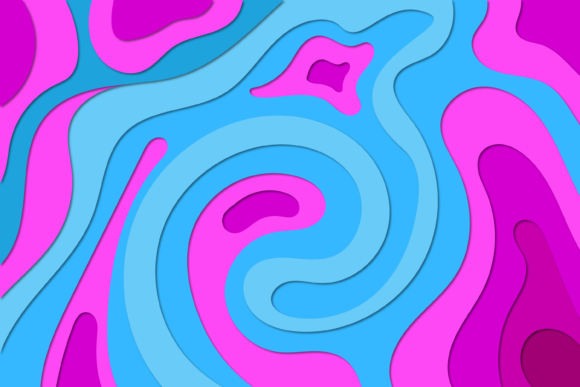
One of the most striking features of modern paper cut backgrounds is the use of unexpected color combinations. While green provides the base, accents of wavy pink layers add warmth and contrast. Imagine deep forest greens interspersed with soft, dusty pinks. The "wavy" nature of these layers introduces movement and fluidity, breaking up the rigidity of straight geometric cuts. Furthermore, the texture of "cardboard" implies thickness and durability. In a digital file, this is achieved through complex gradient maps and drop shadow effects that mimic the side profile of stacked paper.
3D Relief and Carving Art
3D Relief is the technique used to give the illusion of depth. In a flat screen environment, depth is simulated through lighting. The "carving art" aspect refers to the sharp, clean edges that suggest a blade has passed through the material. This creates a sense of craftsmanship. When a user sees a design with pronounced 3D relief, their brain perceives it as tangible. This tangibility increases engagement, as viewers feel a subconscious connection to the object, even if it exists only in pixels.
Why Vector Files Are Essential for Modern Workflows
You might wonder why a designer would choose a vector file over a simple photograph of a paper cut scene. The answer lies in flexibility, customization, and efficiency. Professional design assets are built to be adapted, not just displayed.
- Easily Customization: A vector-based paper cut background allows you to change colors instantly. If your brand shifts from a spring theme to a winter theme, you can recolor the green layers to blue or silver without redrawing the entire composition.
- Well Organized Layer: High-quality templates come with meticulously named and grouped layers. This means you can isolate the "pink wave" layer to move it independently, adjust its opacity, or apply different effects without disturbing the underlying green structure.
- Professional and Clean Files: Experienced designers know that messy files lead to production errors. Clean files ensure that when a project is handed off to another team member, the integrity of the design remains intact.
Technical Specifications and Compatibility
For those ready to implement these designs, understanding the technical specifications is vital. These assets are typically distributed as Adobe Illustrator files, ensuring broad compatibility within the industry. However, they also include PNG File versions for quick previewing or web use.
Resolution and Color Mode
A common misconception is that vector files do not have a set resolution. While vectors are resolution-independent, many templates come with embedded raster effects or textures that require a specific DPI (dots per inch) for printing. The standard for print-ready materials is High Resolution 300 DPI. This ensures that when your paper cut background is printed on a brochure or packaging, the edges remain crisp and the textures are visible, avoiding pixelation.
Additionally, the RGB Color Mode is specified because these designs are primarily intended for digital screens. RGB (Red, Green, Blue) is the additive color model used by monitors, offering a wider gamut of vibrant colors compared to CMYK (used for printing). If you plan to print this design, you may need to convert the file to CMYK, but starting with RGB gives you the best view of the intended vibrancy during the design phase.
Size and Scalability
The standard size of 3000×2000 Pixels provides a versatile canvas. It is large enough for high-quality social media banners and website headers, yet manageable for editing on standard computers. Because the file is vector-based, you can scale this up to billboard size or down to a business card icon without losing any detail. This scalability is the primary advantage of choosing a vector asset over a static image.
Practical Applications in Business and Creativity
So, where does a cover layout design template like this fit in? The applications are vast and varied.
- Editorial Design: Magazines and blogs often use these backgrounds for article headers or section dividers. The green and pink combination works well for lifestyle, wellness, and fashion publications.
- Product Packaging: Eco-conscious brands can use the "cardboard texture" aesthetic to reinforce their commitment to natural materials. The paper cut motif suggests hand-crafted quality.
- Digital Marketing: For email campaigns and landing pages, 3D relief elements draw the eye. They add visual interest that static photos cannot provide, increasing click-through rates.
- Event Invitations: Weddings and corporate events often seek a balance of elegance and fun. The wavy pink layers against a green backdrop offer a romantic yet fresh vibe suitable for spring or summer events.
Addressing Common Misunderstandings
Many beginners assume that creating such detailed 3D paper cuts requires advanced 3D modeling software like Blender or Cinema 4D. While those tools can achieve similar results, they are time-consuming and computationally heavy. A well-constructed Vector illustration achieves the same visual impact using 2D tools. This makes the design process faster and more accessible.
Another misunderstanding is regarding the "competitor with Adobe Illustrator update versions." Some users worry that old files won't work in new software. However, professional templates are designed with backward compatibility in mind. They utilize standard vector paths and basic blending modes that function across all recent versions of Adobe Illustrator, ensuring your investment in the asset remains useful for years to come.
Conclusion
The vector green paper cut background is more than just a trendy aesthetic; it is a testament to the power of combining traditional art forms with modern digital capabilities. By leveraging 3D relief, textured cardboard layers, and abstract realistic decorations, designers can create immersive experiences that resonate with audiences on a sensory level.
Whether you are utilizing the well-organized layers for a custom project or appreciating the professional and clean files that streamline your workflow, these assets offer immense value. They bridge the gap between the tactile world of paper crafts and the boundless potential of digital design. As you explore these templates, remember that the true magic lies not just in the colors or the shapes, but in the intentionality behind every cut and layer. Embrace the versatility, customize with confidence, and let the depth of paper cut art transform your visual communications.
For those looking to dive deeper, experimenting with the wavy pink layers against different base tones can reveal new dimensions of creativity. The key is to maintain the balance between complexity and clarity, ensuring that the background enhances rather than overwhelms the message. With tools like Adobe Illustrator at your disposal, the possibilities for quick and easy customization are endless, making this style a staple in the modern designer's toolkit.