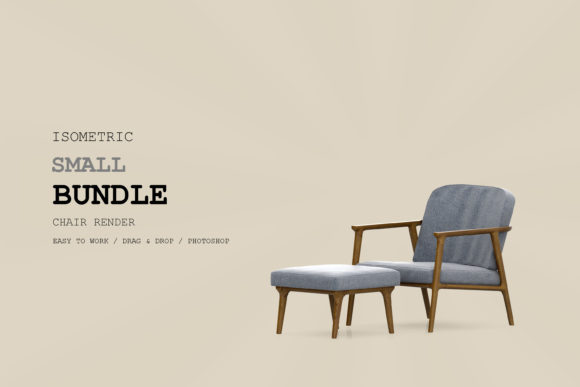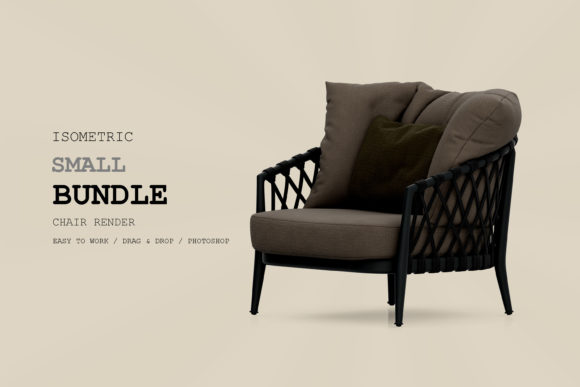
Isometric Armchair 3D Rendering Pack 183
In the modern digital landscape, visual communication is no longer just an aesthetic choice; it is a functional requirement. Whether you are designing a virtual showroom, creating content for social media, or illustrating a technical manual, the efficiency of your workflow often determines the quality of your final output. This is where specialized asset libraries become indispensable tools rather than mere decorative extras. The Isometric Armchair 3D Rendering Pack 183 represents a specific solution within this ecosystem, designed to streamline the creation of isometric visuals by providing high-fidelity, organized, and versatile assets.
Understanding how to integrate such a pack into your process requires looking beyond the image itself. It involves analyzing file structure, resolution capabilities, and compatibility with existing software pipelines. For professionals in architecture, marketing, education, and web design, the difference between spending hours modeling a single object from scratch and deploying a pre-rendered, layered asset can be the difference between meeting a tight deadline and delivering a polished, consistent product.
The Anatomy of the Asset: Technical Specifications and Workflow Implications
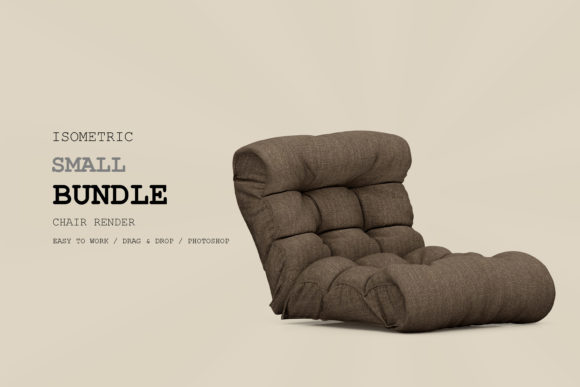
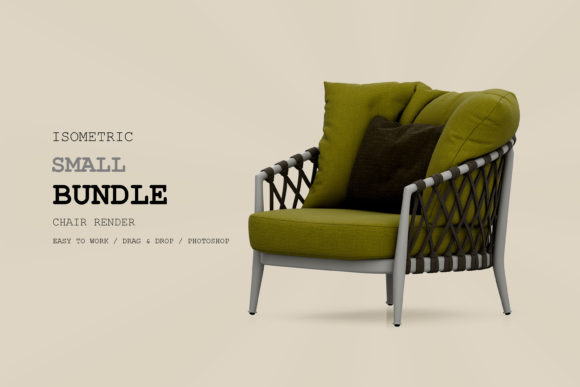
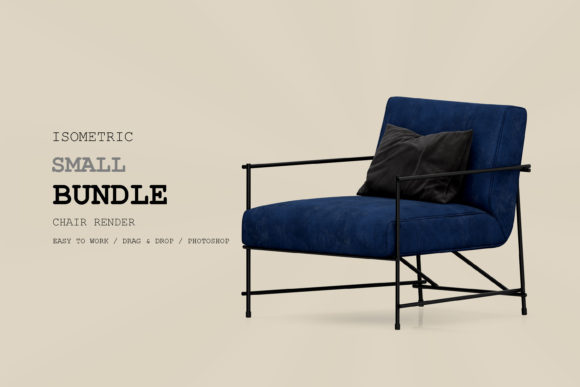
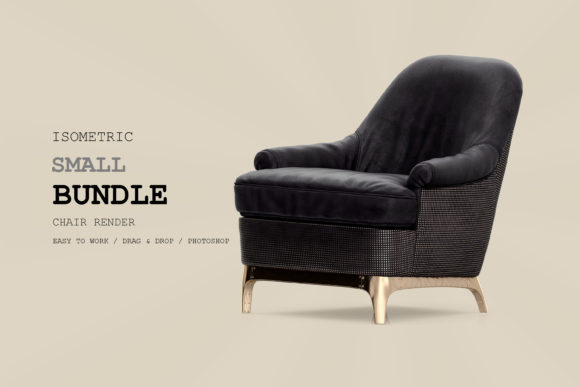
At its core, the Isometric Armchair 3D Rendering Pack 183 is not just a single JPEG file. It is a structured data package that includes several critical components: separated backgrounds, high-resolution rendering at 300 DPI, organized layers, separated shadows, and a comprehensive help file. Each of these elements serves a specific purpose in a professional workflow.
Separated Backgrounds allow for immediate integration into any scene without the need for tedious masking work. In a design process, removing a white background manually can introduce artifacts or edges that look unnatural. By providing a clean separation, the asset allows designers to place the armchair directly onto custom gradients, patterned floors, or complex architectural environments. This feature is particularly valuable in architecture design, where the chair must sit naturally on a textured floor plan or within a rendered room perspective.
The inclusion of High Resolution – DPI 300 ensures that the asset is print-ready. Many digital-only assets are optimized for screen viewing (72–96 DPI), which results in pixelation when scaled up for physical media. For educators creating handouts, marketers producing brochures, or publishers working on book covers, the ability to scale the armchair without loss of quality is crucial. This specification bridges the gap between digital-first and hybrid print-digital campaigns, allowing a single asset to serve multiple distribution channels.
Organized Layers and Separted Shadows offer granular control over the final composition. In photo editing or vector illustration software, having the shadow layer separate from the main object allows the user to adjust opacity, blur, and angle to match the lighting conditions of their specific project. If a designer is placing the armchair in a bright, sunny office versus a dimly lit lounge, they can tweak the shadow’s intensity and direction independently. This level of control maintains visual consistency across a suite of images, which is vital for brand identity and professional presentation.
Integration Across Professional Domains
The versatility of the Isometric Armchair 3D Rendering Pack 183 stems from its applicability across diverse fields. Rather than being limited to one niche, the asset fits into various stages of different creative and business processes.
Architecture and Interior Design
For architects and interior designers, visualization is key to client approval. When presenting a floor plan or a 3D walkthrough, furniture needs to look realistic but also distinct from the structural elements. Using this pack allows designers to insert a high-quality armchair into CAD drawings or rendering software quickly. The separated shadow feature is particularly useful here, as it helps ground the object in the space, preventing it from appearing "floating" or disconnected from the environment. This accelerates the iteration process, allowing designers to test multiple furniture arrangements without waiting for new renders.
Marketing, Advertising, and Social Media
In the fast-paced world of digital marketing, speed and consistency are paramount. A blog post about home decor trends or an advertisement for a furniture retailer requires compelling visuals that can be produced rapidly. The high resolution and clean separation of the Isometric Armchair 3D Rendering Pack 183 make it ideal for creating eye-catching graphics for platforms like Instagram, Pinterest, or LinkedIn. Marketers can easily composite the chair into lifestyle scenes, add text overlays, and ensure the branding remains cohesive across all posts. The organized layers facilitate quick edits if a campaign needs to pivot—changing the background color or adjusting the lighting to match a seasonal theme becomes a matter of minutes rather than hours.
Educational Projects and Publishing
Educators and bloggers often struggle to find royalty-free, high-quality images that fit specific stylistic needs. The 300 DPI resolution makes this pack suitable for academic papers, textbooks, and printed course materials. An instructor teaching a module on ergonomics or design history can include clear, detailed images of the armchair to illustrate points about form and function. The help file included in the pack can also serve as a reference for students learning about 3D asset management and digital composition.
Web Design and User Interface
Website developers and UI/UX designers frequently need icons or illustrative elements that maintain clarity at various screen sizes. While primarily a high-res asset, the vector-like cleanliness of the separated layers allows for scalable use in web contexts. A small business owner creating a website for a furniture store can use these images in hero banners or product galleries. The separated background simplifies the coding process, as the image can be placed over transparent or colored divs without complex CSS clipping paths.
Practical Implementation and Best Practices
To get the most out of the Isometric Armchair 3D Rendering Pack 183, users should approach it with a systematic mindset. Here are some practical tips for integrating the asset into your workflow effectively.
- Review the Help File First: The included help file is not just documentation; it is a guide to the asset’s intended use. Read it to understand recommended software settings, layer naming conventions, and any specific instructions for shadow manipulation. This initial step prevents common errors and saves time later.
- Maintain Layer Integrity: When importing the asset into Photoshop, Illustrator, or similar tools, avoid flattening the layers prematurely. Keeping the shadow, highlights, and base object separate preserves flexibility. If you need to change the lighting source in your composition, having the shadow isolated allows for precise adjustments.
- Check Resolution Requirements: Before starting a project, determine whether the output will be digital or print. For digital use, you may downsample the 300 DPI image to reduce file size without noticeable quality loss. For print, ensure your document canvas is set to 300 DPI and appropriate dimensions to leverage the asset’s full potential.
- Create a Style Guide: If you are using this armchair in a series of designs, establish a standard for how the shadow and background interact. Consistency in lighting and perspective builds trust with your audience. Use the provided separated shadow as a baseline and create presets for different lighting scenarios.
- Backup and Organize: Treat the downloaded pack as a permanent part of your resource library. Store it in a well-organized folder structure alongside other assets. Naming conventions and version control are essential for long-term projects where you might revisit these files months or years later.
Long-Term Value and Efficiency
Investing in high-quality, well-organized assets like the Isometric Armchair 3D Rendering Pack 183 yields compounding returns. In the short term, it reduces the time spent on basic tasks like masking and shading. In the long term, it contributes to a more efficient studio practice. By reducing the friction associated with finding and preparing images, creators can focus more on strategy, storytelling, and design innovation.
Furthermore, the modular nature of the pack supports scalability. As businesses grow and their visual demands increase, having a reliable library of assets ensures that quality does not dip under pressure. Whether you are a freelancer managing multiple clients or a large agency launching a nationwide campaign, the ability to deploy consistent, high-resolution imagery quickly is a competitive advantage.
In conclusion, the Isometric Armchair 3D Rendering Pack 183 is more than just a picture of a chair. It is a tool for enhancing productivity, ensuring quality, and expanding creative possibilities. By understanding its technical features and integrating them thoughtfully into your workflow, you can elevate your projects in architecture, marketing, education, and beyond. The key lies in preparation, organization, and a clear understanding of how each component—from the separated shadow to the high-resolution render—contributes to the final outcome.