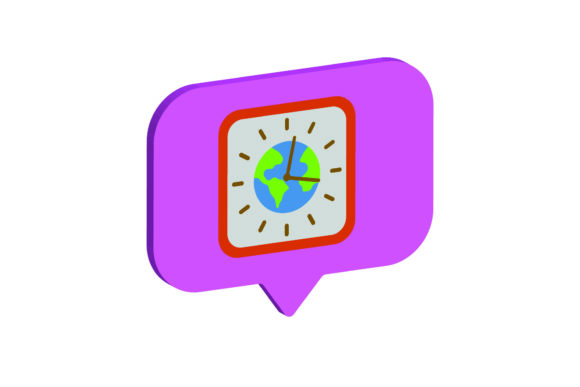
Icon 3D Space Card
In a digital landscape that is increasingly saturated with flat, two-dimensional graphics, introducing depth can be the difference between a design that blends in and one that captures attention. The Icon 3D Space Card represents a strategic shift toward spatial design, offering a visual element that mimics physical presence on a screen. For professionals ranging from freelance marketers to small business owners, understanding how to leverage this specific asset can significantly enhance the perceived value of their projects. This article explores the practical applications, technical specifications, and strategic advantages of integrating the Icon 3D Space Card into your workflow.
Understanding the Visual Impact of 3D Elements
The concept of "icon 3D space" refers to graphical representations that utilize shading, perspective, and lighting to create the illusion of volume. Unlike traditional vector icons which are often purely symbolic, a 3D card or icon acts as an object within the interface. It suggests tangibility. When users encounter a design featuring a 3D space card, their brains process it as a distinct entity rather than just a flat shape. This psychological cue can increase engagement rates, particularly in user interfaces where clarity and hierarchy are paramount.
For educators and bloggers, this means complex information can be broken down into digestible, visually appealing chunks. A 3D card can serve as a container for key takeaways, making educational content feel more structured and authoritative. Similarly, for entrepreneurs and publishers, these elements elevate brand aesthetics, signaling attention to detail and modernity without requiring extensive custom illustration work.
Technical Specifications and File Versatility
One of the most significant advantages of acquiring the Icon 3D Space Card package is the comprehensive nature of the deliverables. You receive 6x Digital Files in total, ensuring compatibility across a wide range of software environments. The base canvas size is set at 1920px X 1280px, a resolution that provides ample pixel density for high-resolution displays while remaining manageable for web use.
The inclusion of multiple file formats addresses the diverse needs of different creative roles:
- AI and EPS Files: These are essential for graphic designers and professional illustrators who need to manipulate vector paths, adjust gradients, or integrate the 3D elements into larger, scalable compositions. The AI file allows for non-destructive editing in Adobe Illustrator, preserving the integrity of the design.
- SVG File: For web developers and UI/UX designers, the SVG (Scalable Vector Graphics) format is crucial. It ensures the 3D space card remains crisp on any screen size, from mobile devices to 4K monitors, without increasing load times associated with heavy raster images.
- DXF File: This format is particularly valuable for makers and hobbyists involved in laser cutting or CNC machining. If you are creating physical merchandise, such as acrylic displays or wooden signage featuring the 3D icon, the DXF file bridges the gap between digital design and physical production.
- JPG and PNG Files: These raster formats are ready-to-use for quick social media posts, email newsletters, or presentations where vector editing software is not available. The PNG version typically includes transparency, allowing the 3D card to float seamlessly over various backgrounds.
Practical Applications Across Industries
The versatility of the Icon 3D Space Card extends far beyond simple decoration. Its utility lies in its ability to organize and highlight information effectively.
Marketing and Branding
Marketers often struggle to make promotional materials stand out in crowded feeds. Using the 3D space card as a template for feature highlights, testimonials, or product showcases can add a layer of sophistication. Because the design is easy to edit, you can swap out text, colors, and minor graphical elements to align with current campaign themes. This adaptability supports rapid iteration, allowing teams to test different visual approaches without starting from scratch.
Education and Presentations
Educators and corporate trainers can use these cards to structure lesson plans or presentation slides. Imagine a slide deck where each major point is housed within a distinct 3D card. This visual separation helps the audience focus on one concept at a time, reducing cognitive load. The consistent styling provided by the pre-made assets ensures a cohesive look throughout the presentation, saving time on layout design.
Web Design and User Experience
In web design, the 3D space card can function as a hover state or a modal trigger. When a user interacts with a website, the subtle depth created by the 3D effect can provide feedback, indicating interactivity. For freelancers building portfolios or landing pages, incorporating these elements demonstrates technical proficiency and an eye for modern design trends.
Efficiency and Workflow Integration
Time is a critical resource for creators and small business owners. The Icon 3D Space Card package is designed to streamline the design process. By providing pre-rendered 3D elements alongside editable vector files, it eliminates the need to model basic shapes from scratch. This allows designers to focus on strategy and messaging rather than spending hours perfecting shadows and reflections.
Furthermore, the ease of editing mentioned in the product description is a key benefit. Whether you are using Adobe Creative Cloud, Affinity Designer, or free alternatives like Inkscape, the layered structure of the AI and EPS files allows for customization. You can adjust the color palette to match brand guidelines, modify the text placeholders, or combine multiple cards to create complex infographics. This flexibility ensures that the asset fits seamlessly into existing workflows rather than disrupting them.
Considerations and Best Practices
While the Icon 3D Space Card offers numerous benefits, it is important to use it judiciously. Overuse of 3D elements can lead to visual clutter, distracting from the core message. The best results are achieved when these cards are used sparingly to highlight important information or to break up large blocks of text.
Additionally, consider the context of your audience. In highly formal or minimalist contexts, overly stylized 3D graphics might feel out of place. Always test your designs across different devices and screen sizes to ensure that the details remain clear. The 1920x1280px canvas size is generous, but remember to export optimized versions for web use to maintain fast loading speeds.
Conclusion
The Icon 3D Space Card is more than just a decorative asset; it is a tool for enhancing communication and visual hierarchy. With six versatile file formats, including editable vectors and ready-to-use rasters, it caters to a wide spectrum of creative needs. From improving marketing materials to structuring educational content, its applications are broad and impactful. By integrating this design into your projects, you can achieve a polished, professional look that resonates with modern audiences. For anyone looking to elevate their visual storytelling, the combination of quality, versatility, and ease of use makes this a valuable addition to any design toolkit.