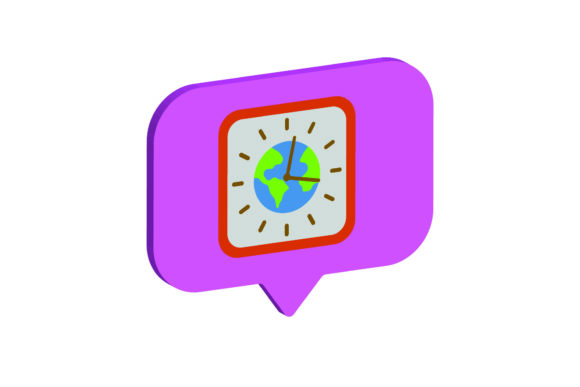
3D Icon Space Clock
In the modern digital landscape, visual consistency and technical precision are not merely aesthetic preferences; they are operational necessities. Whether you are designing a brand identity, creating educational materials, or developing user interfaces for a mobile application, the assets you use must function seamlessly across various platforms and workflows. This is where specialized design resources like the 3D Icon Space Clock become invaluable. It is not just a static image but a versatile asset designed to integrate smoothly into professional creative processes, offering both visual depth and structural flexibility.
The concept of a "Space Clock" in a 3D icon format suggests a blend of temporal elements with spatial or cosmic aesthetics. In practical terms, this translates to a high-quality graphical element that can represent time management, futuristic themes, navigation, or scientific concepts. However, the true value lies in its delivery format and resolution. Understanding how this specific asset fits into your broader workflow requires looking beyond the visual appeal and examining the technical specifications provided: a 1920x1280px canvas size and a comprehensive suite of six editable file formats.
Technical Specifications and Workflow Integration
Before diving into creative applications, it is essential to understand the technical foundation of the 3D Icon Space Clock. The resolution of 1920 pixels by 1280 pixels provides a standard aspect ratio (3:2) that is highly compatible with most desktop monitors, presentation slides, and web banners. For professionals working in marketing or education, this resolution ensures that the icon remains crisp when scaled down for smaller interfaces or expanded for large-format displays without significant loss of quality.
The inclusion of multiple file formats is the critical factor that determines the usability of this asset in a professional environment. Each format serves a distinct purpose in the design pipeline, allowing for maximum adaptability:
- AI File: As the native Adobe Illustrator file, this is the primary source for vector-based editing. If you need to adjust colors, modify shapes, or integrate the clock icon into a larger vector composition, the AI file is your starting point. It preserves all layers and editability, making it indispensable for graphic designers who require granular control.
- EPS File: Encapsulated PostScript files are widely supported across various design software, including CorelDRAW and older versions of Photoshop. This format ensures compatibility if your team uses non-Adobe tools. It is particularly useful for printing workflows where vector data needs to be interpreted by different RIP (Raster Image Processor) systems.
- SVG File: Scalable Vector Graphics are the gold standard for web development. If you are building a website or an interactive dashboard, the SVG version allows the 3D Icon Space Clock to scale infinitely without pixelation while keeping the file size small. This contributes to faster load times and better SEO performance due to improved page speed metrics.
- DXF File: Drawing Exchange Format is primarily used in CAD (Computer-Aided Design) and laser cutting industries. While less common in pure graphic design, having a DXF file opens up possibilities for physical production. For entrepreneurs or hobbyists involved in maker spaces or prototyping, this file allows you to cut the clock design from acrylic, wood, or metal using CNC machines or laser cutters.
- JPG File: The Joint Photographic Experts Group format is universally recognized. It is ideal for quick previews, email newsletters, or contexts where transparency is not required. Its compressed nature makes it efficient for bulk usage in social media posts or blog thumbnails.
- PNG File: Portable Network Graphics support transparency, which is crucial for overlaying the 3D icon onto various backgrounds without unsightly white boxes. Whether you are placing the clock on a dark-themed app interface or a colorful infographic, the PNG ensures clean integration.
Strategic Use Cases Across Industries
The versatility of the 3D Icon Space Clock allows it to serve different functional roles depending on the industry and the specific project goals. By analyzing potential use cases, we can see how this asset supports efficiency and clarity in communication.
Project Management and Productivity Tools
For freelancers, consultants, and productivity-minded users, time is the most finite resource. Visual metaphors for time can enhance the clarity of dashboards and planning tools. Integrating a 3D space-themed clock into a project management template or a personal planner can add a layer of engagement that standard flat icons lack. The 3D effect draws the eye, signaling importance. When designing a weekly schedule or a Gantt chart header, using the 3D Icon Space Clock as a focal point helps users quickly identify time-related sections. The ability to edit the color via the AI or EPS file ensures that the clock matches the specific branding or mood board of the project, maintaining visual consistency.
Educational Content and E-Learning
Educators and content creators often struggle to make abstract concepts tangible. Topics such as astronomy, physics, or even basic time zones can be difficult to visualize. A 3D space clock serves as an excellent pedagogical tool. In online courses or instructional videos, this icon can represent modules related to scheduling, deadlines, or celestial mechanics. The high-resolution PNG and JPG files ensure that the icon looks professional in slide decks and PDF handouts. Furthermore, the SVG version can be embedded directly into interactive learning platforms, allowing students to hover over the clock to reveal additional information, thereby enhancing the user experience through interactivity.
Marketing and Brand Identity
For marketers and small business owners, standing out in a crowded digital space is paramount. Generic clip art is easily ignored. A unique 3D asset like the Space Clock adds a premium feel to marketing materials. Imagine a tech startup launching a new time-tracking app. Using the 3D Icon Space Clock in their logo variations, social media headers, and app store screenshots creates a cohesive narrative. The variety of formats means the asset can be used consistently across print brochures (via AI/EPS/DXF) and digital ads (via SVG/PNG/JPG). This cross-platform consistency reinforces brand recognition and trust.
Implementation Best Practices
To get the most out of the 3D Icon Space Clock, it is important to follow best practices during implementation. Proper preparation and organization are key to maintaining efficiency.
File Organization: Upon download, immediately organize the six files into a dedicated folder structure. Label them clearly (e.g., "SpaceClock_Vector_AI", "SpaceClock_Transparent_PNG"). This prevents confusion later in the workflow, especially when collaborating with team members who may not be familiar with the asset's origins. Keeping the original AI file safe is crucial for future edits; always work on copies rather than the master file unless necessary.
Color Management: If you plan to use the vector files (AI, EPS, SVG), pay attention to color profiles. Ensure that your design software is set to the correct RGB or CMYK mode depending on whether the final output is digital or print. The 3D shading in the icon relies on gradients and shadows; altering these colors improperly can flatten the design. Use the layer structure in the AI file to isolate specific parts of the clock for recoloring, ensuring that the lighting effects remain consistent with the rest of your design.
Scalability Checks: Always preview the icon at different sizes. While the 1920x1280px canvas is generous, scaling down to a favicon size (16x16px) might lose detail. In such cases, consider simplifying the design using the vector tools before exporting to a tiny raster format. Conversely, when scaling up for billboards, the vector formats ensure no pixelation occurs. This proactive quality control saves time and rework.
Long-Term Value and Adaptability
Investing in high-quality, multi-format assets pays dividends over time. The 3D Icon Space Clock is not a one-off decoration; it is a reusable component of your design library. As trends shift, you can easily update the colors or combine the clock with other elements to create new visuals without purchasing new assets. This approach aligns with sustainable design practices, reducing the need for constant new purchases and fostering a more organized, efficient creative process.
Moreover, the inclusion of the DXF file highlights the asset's potential beyond the screen. In an era where omnichannel presence is vital, the ability to translate a digital design into a physical object is a powerful advantage. Whether you are creating custom merchandise for your team or physical signage for an event, the seamless transition from digital vector to physical cut is facilitated by this single asset package.
In conclusion, the 3D Icon Space Clock represents more than just a visually appealing graphic. It is a multifaceted tool designed to enhance workflow efficiency, ensure technical compatibility, and support creative expression across various mediums. By understanding its capabilities and integrating it thoughtfully into your projects, you can elevate the quality of your outputs and achieve greater consistency in your visual communication. For professionals seeking to streamline their design process while maintaining a high standard of aesthetics, this asset offers a robust solution that adapts to the evolving demands of modern digital and physical creation.