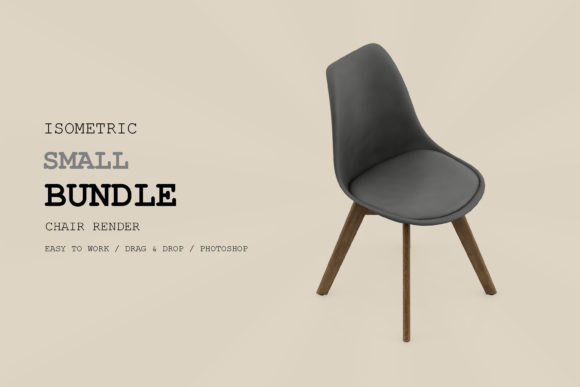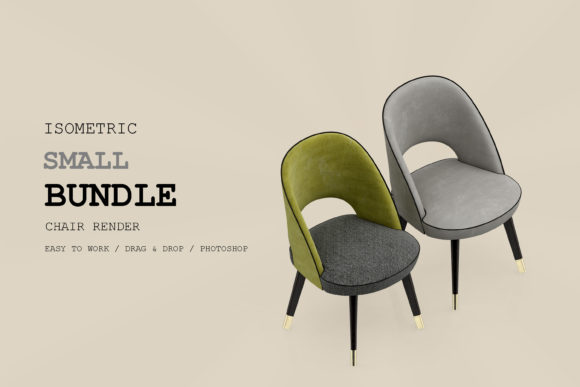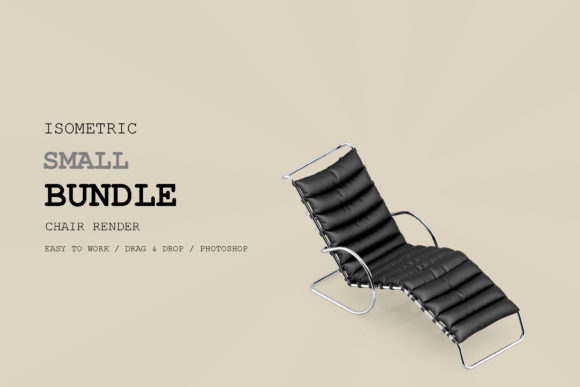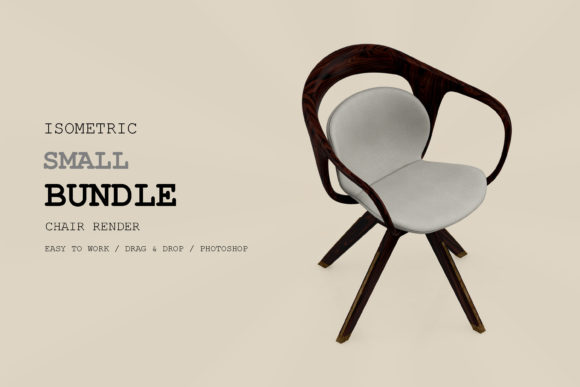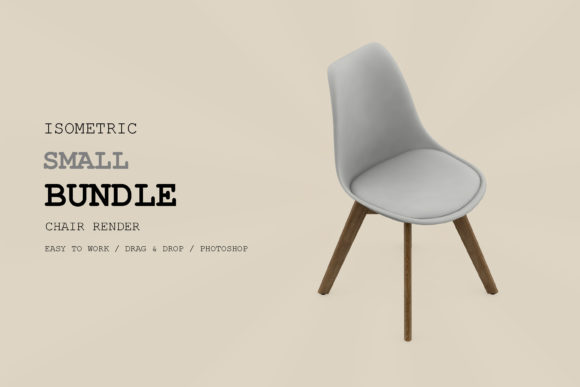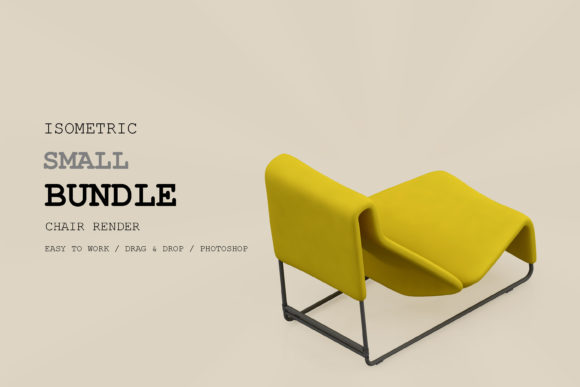
Isometric Chair 3D Render Pack 278 Evaluation
In the rapidly evolving landscape of digital design and visual communication, high-quality 3D assets have become indispensable tools for professionals across various industries. Among these resources, the Isometric Chair 3D Render Pack 278 stands out as a specialized asset designed to streamline the creation of isometric visuals. This pack is not merely a collection of images; it is a structured resource intended to integrate seamlessly into professional workflows. For designers, architects, marketers, and students, understanding the technical specifications and practical applications of such a tool is crucial for making informed purchasing and usage decisions.
This evaluation explores the core features of Isometric Chair 3D Render Pack 278, examining its technical attributes, potential use cases, and the strategic advantages it offers. By analyzing its components—such as separated backgrounds, organized layers, and high-resolution output—we can determine how this asset fits into broader creative projects.
Technical Specifications and Asset Quality
The foundation of any valuable 3D render pack lies in its technical quality. The Isometric Chair 3D Render Pack 278 is delivered with specific attributes that cater to both digital and print media requirements. Understanding these specifications helps users assess whether the asset meets their project standards.
Resolution and Print Readiness
One of the most significant selling points of this pack is its adherence to high-resolution standards. The renders are provided at DPI 300, which is the industry standard for high-quality printing. This ensures that when the chair models are incorporated into brochures, posters, or architectural presentations, they remain crisp and clear without pixelation. For designers who frequently toggle between web-based mockups and physical print materials, having assets that satisfy both formats eliminates the need for separate sourcing.
Layer Organization and Separated Elements
Efficiency in post-production is critical for meeting tight deadlines. This pack addresses this need through organized layers and separated shadows. In many 3D rendering workflows, separating an object from its background and isolating shadow effects can be time-consuming, requiring complex masking or compositing techniques. By providing these elements separately, the pack allows users to:
- Easily change the background context without re-rendering the model.
- Adjust shadow opacity, blur, and angle independently to match different lighting environments.
- Integrate the chair into complex scenes with greater precision.
Additionally, the inclusion of a help file provides immediate guidance on how to utilize these layers effectively, reducing the learning curve for users who may be less familiar with advanced compositing software.
Situational Applications and Use Cases
The versatility of Isometric Chair 3D Render Pack 278 makes it suitable for a diverse range of applications. Its isometric perspective—a method of graphical representation where three-dimensional objects are drawn in two dimensions with the three axes of space remaining equally foreshortened—is particularly popular in modern UI/UX design, infographics, and architectural visualization.
Architecture and Interior Design
Architects and interior designers often rely on isometric views to present spatial relationships clearly. A detailed 3D render of a chair can help clients visualize furniture placement within a room layout. Because the pack includes separated shadows, designers can simulate realistic lighting conditions that correspond to the time of day or artificial lighting setup of their architectural model. This level of realism enhances client presentations and aids in decision-making during the design phase.
Digital Marketing and Web Design
In the realm of digital advertising, visual appeal drives engagement. The Isometric Chair 3D Render Pack 278 is ideal for creating eye-catching banners, social media posts, and website headers. The clean, isolated nature of the renders allows them to be placed over various brand colors or patterns without visual clutter. For e-commerce platforms, these high-fidelity images can serve as product placeholders or promotional graphics, offering a more dynamic alternative to flat photographs.
Education and Social Media Content
For educators and content creators, clarity is paramount. School projects involving design, engineering, or art history can benefit from accurate 3D representations of furniture styles. Similarly, social network managers looking to produce consistent, high-quality content can use this pack to maintain a cohesive aesthetic across their profiles. The ability to quickly swap backgrounds or adjust shadows allows for rapid content production, which is essential for maintaining an active online presence.
Blog and Advertisement Materials
Blogs focused on lifestyle, home decor, or technology often require custom illustrations to break up text and engage readers. Using pre-made 3D renders saves the time required to model or photograph each item. Furthermore, advertisers can leverage these assets for targeted campaigns, ensuring that the visual language aligns with modern, tech-savvy audiences who appreciate clean, geometric aesthetics.
Benefits and Tradeoffs
While the Isometric Chair 3D Render Pack 278 offers numerous advantages, it is important to consider both its benefits and limitations before integrating it into a workflow.
Key Benefits
- Time Efficiency: Pre-rendered assets eliminate the need for modeling, texturing, and rendering from scratch.
- Consistency: All items in the pack share a uniform style and resolution, ensuring visual harmony in composite designs.
- Flexibility: Separated layers and shadows provide extensive control over the final composition.
- Accessibility: The included help file lowers the barrier to entry for users who may not be experts in 3D software.
Potential Limitations
Despite its strengths, there are considerations to keep in mind. First, the static nature of rendered images means they lack the interactivity of true 3D models. If a project requires rotating the view or changing materials dynamically, a 3D source file (such as .OBJ or .BLEND) would be more appropriate than a raster image pack. Second, while the DPI 300 resolution is excellent for most print needs, extremely large-format prints might still require vector-based alternatives or higher-resolution sources. Finally, reliance on pre-made assets limits customization; if a specific chair design does not match the exact aesthetic requirements, users cannot modify the geometry of the model itself.
Decision-Making Insights
Selecting the right asset depends heavily on the specific goals of the project. The Isometric Chair 3D Render Pack 278 is a strong fit for projects that prioritize speed, visual consistency, and high-quality static imagery. It is particularly well-suited for graphic designers, marketing specialists, and illustrators who need to produce polished visuals quickly.
However, if the primary requirement is full customization of geometry or interactive 3D experiences, this pack may not be sufficient. In such cases, investing in editable 3D model files or hiring a custom 3D artist might yield better long-term results. Additionally, for projects requiring unique branding that deviates significantly from the pack’s aesthetic, users should evaluate whether the provided designs align with their brand identity.
Ultimately, the value of Isometric Chair 3D Render Pack 278 lies in its balance of quality and convenience. By offering high-resolution, well-organized assets with practical support documentation, it serves as a reliable tool for enhancing visual communication across school projects, social networks, print media, architecture, blogs, and advertisements. Evaluating these factors against your specific project constraints will help you determine if this pack is the right solution for your needs.