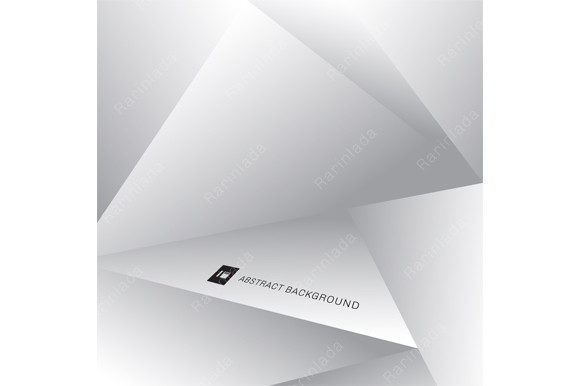
3D White Gray Low Polygon Background
In the fast-paced world of digital visual communication, first impressions are everything. A 3D White Gray Low Polygon Background offers a sophisticated solution for designers seeking to balance modern aesthetics with professional clarity. This geometric style combines the clean precision of vector art with the depth and dimensionality of 3D rendering, creating a visual texture that is both engaging and unobtrusive. For professionals in graphic design, branding, and marketing, finding high-quality assets that elevate a project without overwhelming the core message is essential. This specific aesthetic provides a neutral yet dynamic canvas that enhances readability and guides the viewer’s eye effectively.
The Power of Geometric Minimalism in Modern Design
The low poly trend has evolved from a fleeting novelty into a staple of contemporary visual design. By utilizing flat, triangular facets, this style creates an illusion of depth while maintaining a sleek, minimalist profile. The choice of white and gray tones ensures versatility, allowing these backgrounds to serve as a subtle foundation rather than a dominant feature. This neutrality is crucial for maintaining visual hierarchy, ensuring that text, logos, and primary content remain the focal points.
From a technical standpoint, the use of fully editable vector files transforms how designers approach their workflow. Unlike raster images that lose quality when scaled, vector-based graphics allow for infinite resizing without pixelation. This is particularly important for projects that require scalability across various media, from small mobile screens to large-format print materials. The ability to manipulate individual nodes and colors means that each asset can be tailored to fit specific brand guidelines perfectly.
Practical Applications Across Creative Industries
The adaptability of 3D white and gray geometric low polygon designs makes them suitable for a wide range of creative projects. Whether you are crafting a corporate identity or designing a social media campaign, these assets provide a consistent thread of modern professionalism. Below are key areas where this visual style adds significant value:
- Branding and Logo Design: Use low poly elements to create unique logo marks or background textures for business cards and letterheads. The geometric nature complements tech-focused or innovative brand identities.
- Web and UI/UX Design: Implement these backgrounds in website headers, landing pages, or app interfaces to add depth without distracting from user interface elements. They contribute to a premium feel that enhances user engagement.
- Social Media Graphics: Stand out in crowded feeds with visually striking yet clean templates for Instagram, LinkedIn, or Facebook posts. The abstract geometry draws attention while maintaining a polished look.
- Editorial and Print Design: Enhance magazine layouts, brochures, and annual reports with subtle geometric patterns that add texture to white space, improving overall page composition.
- Packaging Design: Create distinctive product packaging that conveys innovation and quality. The 3D effect can make flat surfaces appear more tactile and premium.
Evaluating Quality: Vector Precision and Resolution
When selecting design assets, understanding the technical specifications is just as important as the visual appeal. High-resolution files at 300 dpi ensure that your designs look sharp on both digital screens and printed materials. However, the true power lies in the vector format. Files provided in EPS Version 10 and JPG formats offer maximum flexibility. The EPS version allows for full editability in software such as Adobe Illustrator and CorelDRAW, enabling you to adjust colors, scale shapes, and modify compositions to suit your exact needs.
It is vital to choose resources that are free of watermarks and come with clear usage rights. A watermark not only detracts from the professional presentation but also limits the asset's utility during the design process. Fully editable vectors empower designers to experiment freely, ensuring that the final output aligns perfectly with the project’s goals. Compatibility with standard vector-based programs ensures a smooth integration into existing design workflows, reducing time spent on file conversion or troubleshooting.
Enhancing Visual Communication Through Composition
Effective design is about more than just choosing pretty images; it is about strategic communication. The interplay of light and shadow in 3D low poly designs can guide the viewer’s attention naturally. When incorporating these backgrounds, consider the contrast between the geometric patterns and your typography. Clean, sans-serif fonts often pair well with this style, reinforcing a modern and forward-thinking brand voice. Additionally, maintaining a consistent color palette helps tie all elements together, creating a cohesive visual experience.
By leveraging high-quality, versatile design assets, creators can significantly improve the impact of their work. The combination of technical precision and artistic elegance found in 3D white and gray low polygon backgrounds offers a reliable tool for enhancing any creative project. Ultimately, thoughtful design choices—supported by robust, professional-grade resources—lead to stronger brand identity, better user engagement, and a more polished final result.