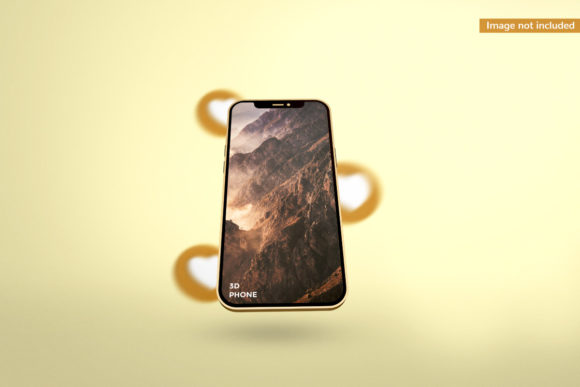
3d Rendering Mobile Mockup
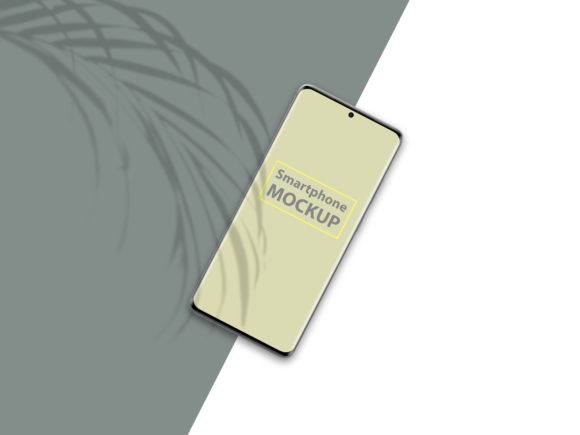
In the digital landscape, visual communication is not merely an aesthetic choice; it is a critical component of brand identity and user experience. When presenting app interfaces, mobile game designs, or marketing campaigns, the context in which your design is viewed can significantly influence how stakeholders perceive its value. This is where the 3d Rendering Mobile Mockup becomes an indispensable tool for professionals across various sectors. Unlike flat, two-dimensional representations, a realistic mockup provides depth, lighting, and texture, allowing viewers to visualize the final product as it would appear in the real world.
The transition from a static screen capture to a dynamic, three-dimensional representation bridges the gap between abstract design concepts and tangible reality. For entrepreneurs, marketers, and developers, this shift is more than just a cosmetic upgrade. It serves as a powerful mechanism for clarity, persuasion, and efficiency. By utilizing a high-quality Realistic Mobile Mockup for your brand, you offer a great advantage to take your business to the next level, ensuring that your visual assets command attention and convey professionalism.
Enhancing Presentation Quality with Realism
One of the primary challenges in digital design is conveying scale and materiality. A standard screenshot lacks the physical presence of a smartphone, making it difficult for clients or team members to gauge how an interface will look on an actual device. A 3d Rendering Mobile Mockup solves this problem by simulating the hardware environment. The inclusion of realistic shadows, reflections, and device bezels creates a sense of authenticity that flat images cannot achieve.
Consider a scenario where a freelance designer is pitching a new banking app to a financial institution. Presenting the UI on a sleek, modern smartphone model within a professional setting demonstrates an understanding of user context. It suggests that the designer has considered not just the code, but the human interaction with the device. This level of detail supports creativity by allowing designers to experiment with different environments—such as a busy street, a cozy home office, or a minimalist studio—to see how their design holds up under various lighting conditions and backgrounds.
Furthermore, realism aids in stakeholder buy-in. Decision-makers often struggle to interpret wireframes or low-fidelity prototypes. A polished, high-fidelity mockup reduces cognitive load, allowing them to focus on the functionality and aesthetics of the design rather than trying to imagine the end product. This simplifies decisions and accelerates the approval process, saving valuable time during the development cycle.
Streamlining Workflow with Smart Object Technology
Beyond visual impact, the technical structure of a mockup plays a crucial role in maintaining workflow efficiency. Modern design resources are optimized for ease of use, and a well-constructed High-quality Mock Up typically comes as a single Photoshop PSD-file that is layered and grouped logically. This organization is vital for both novice users and experienced graphic designers who need to make rapid adjustments without disrupting the entire composition.
The core feature that enables this flexibility is the Smart Object. When you work with a 3d Rendering Mobile Mockup that utilizes Smart Objects, you can insert your own design files directly into the device screen area. The software automatically applies the necessary perspective, curvature, and lighting effects to match the underlying 3D model. This means you do not need to manually warp or distort your artwork, which can often lead to pixelation or misalignment. Instead, the editing process becomes very easy by Smart Object manipulation, allowing for non-destructive edits.
This capability is particularly beneficial for agencies managing multiple client projects. If a client requests a minor color change or a layout adjustment, the designer can simply update the Smart Object layer, and the entire mockup updates instantly. This consistency ensures that all presentation materials remain aligned with the latest design iterations, reducing the risk of version control errors. Additionally, because the file is layered and grouped, users can easily isolate specific elements, such as changing the phone color or adjusting the background, without affecting other components of the scene.
Strategic Applications Across Industries
The utility of a 3d Rendering Mobile Mockup extends far beyond pure design portfolios. Various professional groups leverage these tools to enhance their communication and marketing efforts. For marketers and bloggers, these mockups are essential for creating engaging social media content. A visually striking image of an app displayed on a trendy device can stop the scroll on platforms like Instagram or LinkedIn, driving higher engagement rates compared to generic screenshots.
- App Developers: Use mockups in app store listings to provide a preview of the user experience, increasing conversion rates from downloads.
- Small Business Owners: Utilize mockups to showcase custom mobile solutions to potential investors or partners, demonstrating a clear vision of the product.
- Educators: Incorporate realistic devices into course materials to help students understand responsive design principles and mobile-first strategies.
For publishers and content creators, the ability to present articles or digital magazines on a mobile device highlights the importance of readability and layout optimization. It allows readers to visualize how content will flow on smaller screens, encouraging better design practices from the outset. Similarly, educators can use these visuals to teach accessibility standards, showing how text size and contrast affect usability on physical devices.
Considerations for Effective Implementation
While the benefits are substantial, it is important to approach the use of Realistic Mobile Mockup for your brand with strategic intent. Not every situation requires a hyper-realistic rendering. In some internal development meetings, simpler wireframes may be more appropriate to facilitate rapid feedback on functionality rather than aesthetics. Over-reliance on polished visuals too early in the process can sometimes mask underlying usability issues, leading teams to focus on surface-level details while neglecting structural problems.
Additionally, the quality of the mockup itself matters. A poorly constructed PSD file with flattened layers or incorrect aspect ratios can frustrate users and compromise the integrity of the design. Therefore, selecting a resource that offers a very easy to edit by Smart Object workflow is crucial. Users should verify that the mockup supports the specific device models they intend to showcase and that the resolution is sufficient for high-definition displays. Comparing options based on file organization, layer naming conventions, and included variations (such as different angles or colors) can save significant time during the creative process.
Moreover, context is key. A mockup that looks stunning in isolation might feel out of place if it does not align with the brand’s tone. A luxury brand might opt for a sleek, metallic device with dramatic lighting, while a playful children’s app might benefit from a colorful, casual setting. Aligning the mockup’s style with your brand identity strengthens communication and reinforces brand recognition.
Conclusion
Integrating a 3d Rendering Mobile Mockup into your design and marketing workflow is a practical step toward elevating your professional output. By combining visual realism with technical ease-of-use, these tools empower creators to present their ideas with clarity and confidence. Whether you are pitching to clients, showcasing your portfolio, or preparing app store assets, a high-quality mockup helps bridge the gap between concept and reality. As the digital market becomes increasingly competitive, the ability to present your work in a compelling, authentic manner can indeed serve as a great advantage to take your business to the next level. Embracing these resources allows you to focus on what matters most: delivering exceptional design experiences to your users.